What the thing actually is
A proof of reserves is a snapshot. The exchange publishes a list of wallet addresses it says are its own, on a date it chooses, usually with a Merkle tree so that any customer can check their own balance was included in the total. Nothing about that is fake and nothing about it is nothing. It is genuinely more than the exchanges of ten years ago offered, which was a sentence on a website.
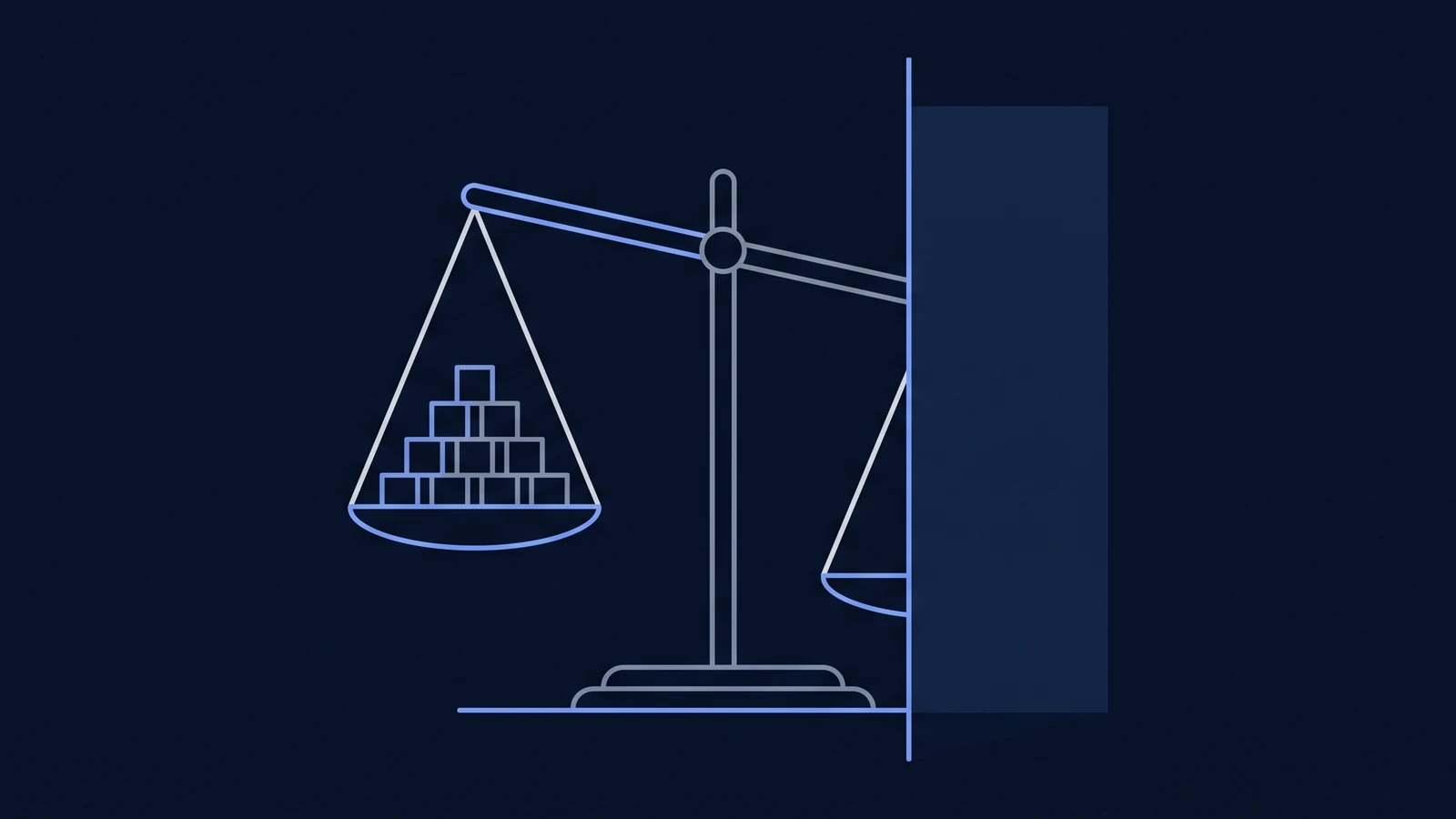
But read what it claims: these coins existed, in these wallets, at that moment. Every word of that can be true at an exchange which is insolvent, and the reason is that it is one side of a balance sheet published without the other.
The three questions it does not answer
Each of the three below is the difference between an exchange that can pay everybody and one that cannot, and a reserves page addresses none of them.
Does a proof of reserves show what an exchange owes?
No, and this is the whole of it. Assets without liabilities is not a solvency statement. An exchange holding a billion dollars of bitcoin and owing its customers two billion passes a proof of reserves with room to spare, and the page it publishes is entirely true. Solvency is the comparison of the two columns; the format only ever contains one of them.
Can an exchange borrow the coins for the day of the snapshot?
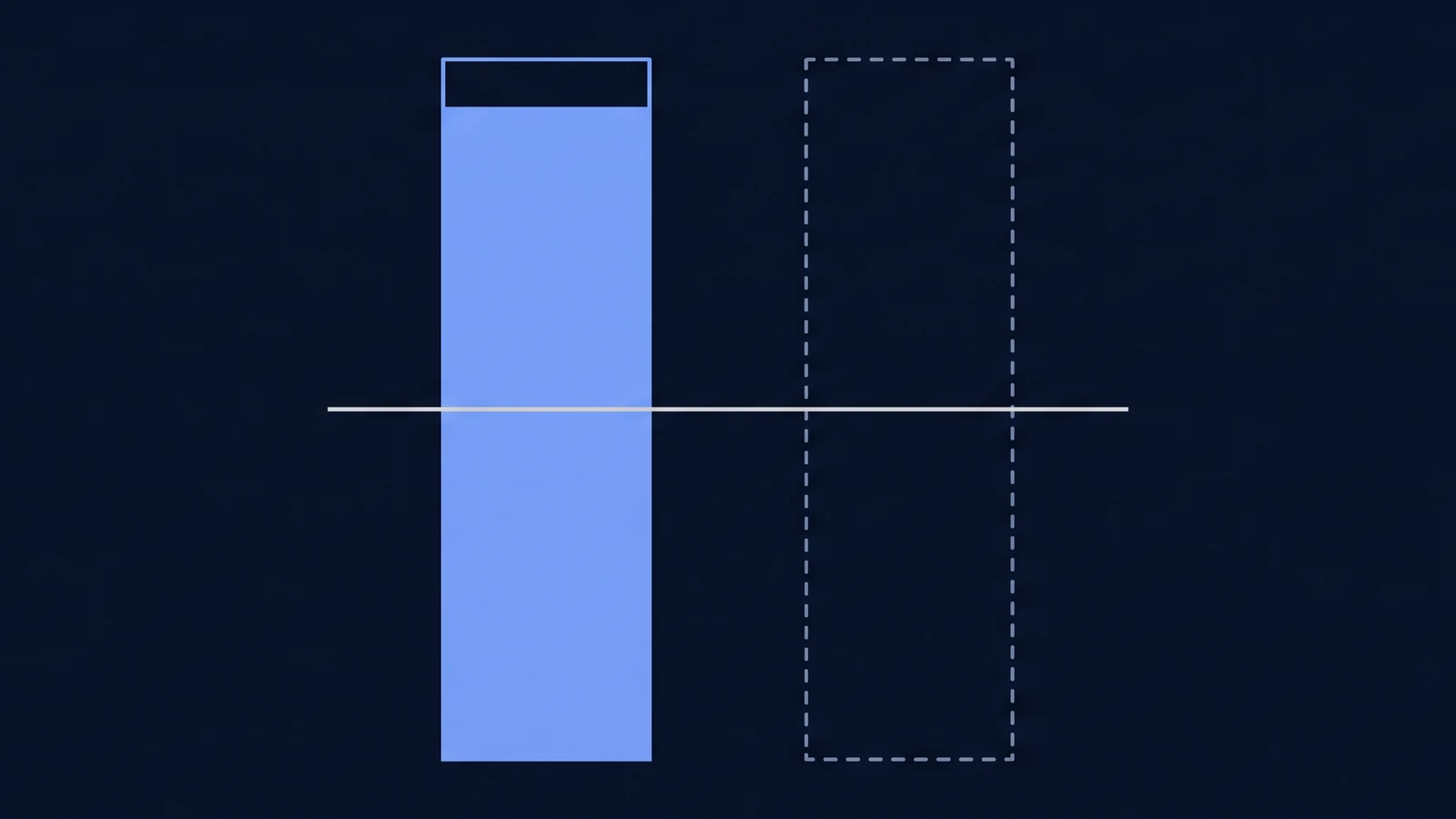
Yes, and nothing in the format would show it. The snapshot is taken on a date the exchange chooses and announces. An exchange that borrows assets so as to be holding them on that day publishes a page which is true about a false position, and a reader checking their own balance in the Merkle tree would find it exactly where it should be. This is not hypothetical bookkeeping — it is the ordinary reason a single-date attestation is worth less than a continuous obligation.

If the exchange fails, are the coins yours?
That is decided by the terms you accepted and the law where the company is registered, and a wallet snapshot has nothing to say about either. Customer assets can be your property held on trust, or they can be part of the estate you queue up as a creditor against — the wallets look identical from outside either way.

What the eight exchanges here actually have
This is our own record, and it is the reason the phrase is nearly useless as a way to choose. Almost everybody has one. Almost nobody has the thing it is a substitute for.
| Publish a proof of reserves | 7 of 8 — all except Coinbase |
|---|---|
| Audited by a named third party | 2 of 8 — Coinbase and Kraken |
| Listed on a public market | 1 of 8 — Coinbase |
| Score for a proof of reserves alone | 4 points out of 10 |
| Score for an audit, or for a listing | 4 points, and 3 points |
A signal that seven of eight competitors also have cannot tell them apart. That is why it is worth four points here and not ten.
The exchange that publishes none of it and still beats six that do
Coinbase publishes no proof of reserves at all and scores 7.0 on solvency evidence in the exchange rankings — ahead of all six exchanges that publish one and have nothing else. That is not a mistake in the model, it is the point of it.
A company listed on a US exchange files audited accounts on a schedule somebody else enforces, with both sides of the balance sheet in them, signed by an auditor who can be sued for signing. That is a continuous obligation to a regulator rather than a page the company chooses to publish. The thing a proof of reserves is a substitute for is the thing a filed annual report already is. You can read the reasoning on the Coinbase record.
The highest score on this component is Kraken’s 8.0, and it is worth understanding why: a proof of reserves and an audit by a named third party, but no public listing. Two kinds of evidence beat one kind plus a listing, on our weights. Reasonable people would weigh those differently, which is the reason the weights are printed rather than described.

How to use it, then
Treat it as a floor and not a finding. An exchange that publishes nothing at all in 2026 is telling you something; an exchange that publishes a reserves page is telling you almost nothing, because so does nearly everyone.
What separates them is the evidence that somebody outside the company had to sign: an audit, a listing, a regulator with a filing deadline. That is what our solvency scoring weighs, and why the component is called solvency evidence rather than solvency — nobody outside an exchange can know it is solvent, and a directory that implied otherwise would be selling a certainty it does not have.
The question underneath all of this is the one that runs through every record on this site: which company is actually holding your money, and what is it obliged to do. For brokers that argument is set out in which company you are signing with, and it is the same argument here.